Action
For my Cambridge portfolio project, one of the genres I am considering producing is action. Action films are known for their fast pace and intense physical conflict. This genre is popular worldwide and usually combines excitement with strong characters and dramatic storylines. When I was doing research, I explored the target audience, genre conventions, institutional conventions, and examples of action films that represent this genre.
The target audience for action movies are teenagers and young adults around 15–35. This audience likes fast paced entertainment with visually entertaining scenes like fight sequences and explosions. Action films also appeal more to male audiences. Many viewers like action films as an escape from reality because they offer excitement and heroism which are situations that are not part of everyday life.
Actions movies have lots of genre conventions with content. Usually there will be a hero or a protagonist that will face a big obstacle or a enemy. Also there is a clear villan or a opposing force. In most of these movies there will be big conflicts like survival, revenge, justice, and freedom involved in the plot. Most of the time there will be fight and chase scenes to add towards the action aspect of the movie. These conventions keep audiences engaged with tension and momentum in the movie.
Technical conventions are used to increase the intensity in movies. Many of the most intense action movies sequences use fast paced editing techniques. The use of dynamic camera movement techniques help pulling the audience into a more engaging experience. Sound design has a lot of impact on the film's overall tone. With the use of loud sound effects, intense score music, or silence can help create suspense. Special effects are primarily created using CGI, which gives a sense of reality to the audience and producing an good experience for them.
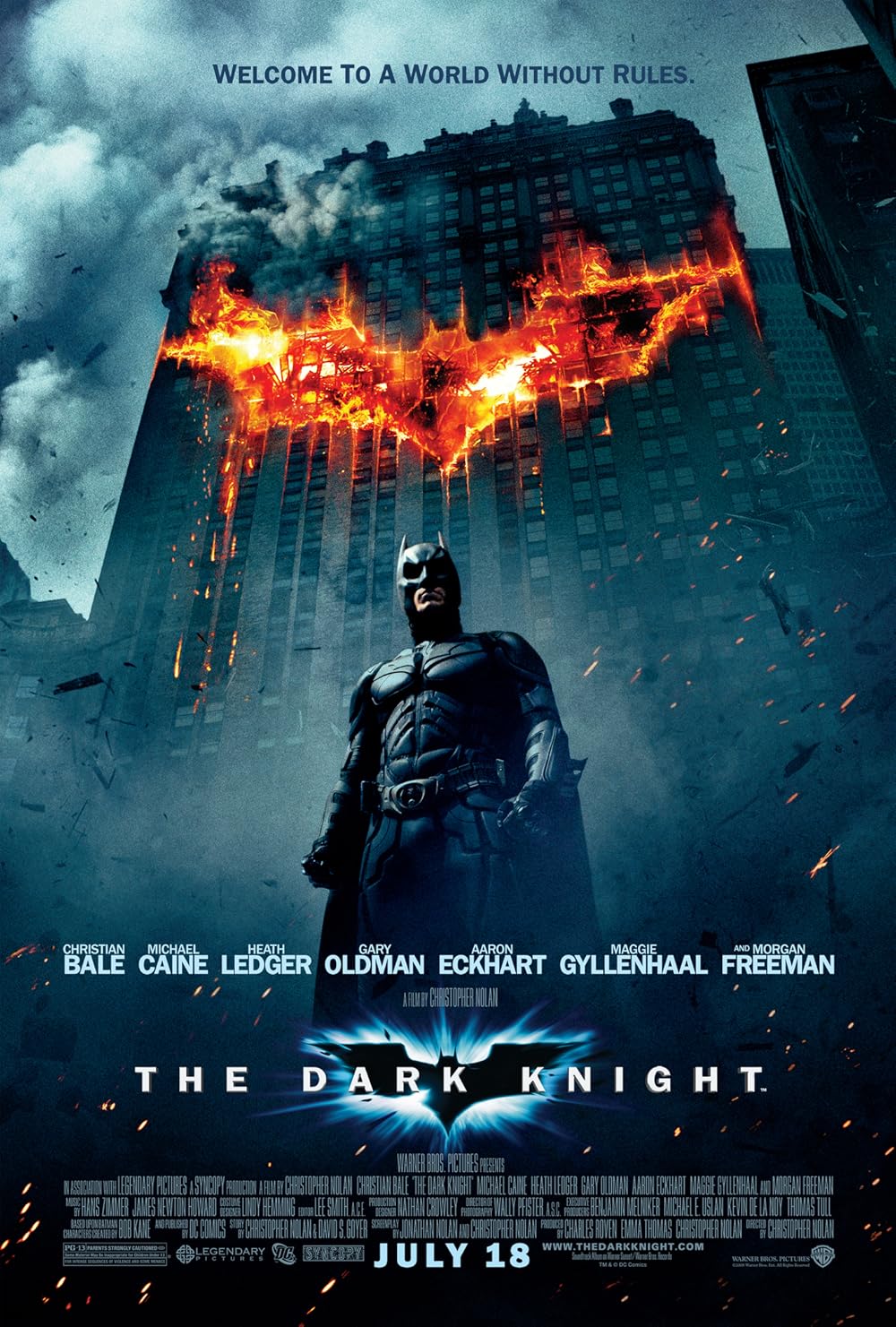
Action movies are usually created by bigger studios with a large budget because of the expense of stunts, special effects, and having to shoot in many different places. As an example, the action film narrative images are based on the image of power, strength, and a hero. As a promotional technique a film company might make a number of trailers that highlight the most exciting scene, posters that illustrate the main character's dominant position, and employ well known actors to get people exited to see the action movies in theatres. The action movies' ratings are often PG 13 or R ratings based on the level of violence and language, this also helps determine the movie's target audience.
The Dark Knight and Gladiator are two examples of the Action genre. While The Dark Knight features the genre’s superhero aspect with elements of crime and psychological thriller, it also has an intense fighting style with a "hero vs villain" structure. Gladiator takes place during ancient times with a focus on revenge and honor. The action scenes are a great focal point for the story. These films have the traditional conventions of the action genre.
 Because the action genre has clear conventions, and a good audience, I think that action would be a possible genre for the portfolio project. Since I will be able to use existing techniques for action films and be working within ideas of what an action film should look like and feel like for the audience, I think I can make a good production for an action film.
The target audience for action movies are teenagers and young adults around 15–35. This audience likes fast paced entertainment with visually entertaining scenes like fight sequences and explosions. Action films also appeal more to male audiences. Many viewers like action films as an escape from reality because they offer excitement and heroism which are situations that are not part of everyday life.
Actions movies have lots of genre conventions with content. Usually there will be a hero or a protagonist that will face a big obstacle or a enemy. Also there is a clear villan or a opposing force. In most of these movies there will be big conflicts like survival, revenge, justice, and freedom involved in the plot. Most of the time there will be fight and chase scenes to add towards the action aspect of the movie. These conventions keep audiences engaged with tension and momentum in the movie.
Technical conventions are used to increase the intensity in movies. Many of the most intense action movies sequences use fast paced editing techniques. The use of dynamic camera movement techniques help pulling the audience into a more engaging experience. Sound design has a lot of impact on the film's overall tone. With the use of loud sound effects, intense score music, or silence can help create suspense. Special effects are primarily created using CGI, which gives a sense of reality to the audience and producing an good experience for them.
Action movies are usually created by bigger studios with a large budget because of the expense of stunts, special effects, and having to shoot in many different places. As an example, the action film narrative images are based on the image of power, strength, and a hero. As a promotional technique a film company might make a number of trailers that highlight the most exciting scene, posters that illustrate the main character's dominant position, and employ well known actors to get people exited to see the action movies in theatres. The action movies' ratings are often PG 13 or R ratings based on the level of violence and language, this also helps determine the movie's target audience.
The Dark Knight and Gladiator are two examples of the Action genre. While The Dark Knight features the genre’s superhero aspect with elements of crime and psychological thriller, it also has an intense fighting style with a "hero vs villain" structure. Gladiator takes place during ancient times with a focus on revenge and honor. The action scenes are a great focal point for the story. These films have the traditional conventions of the action genre.

No comments:
Post a Comment